Saving Money on Electricity: 5 Practical Ways to Cut Usage
Electricity savings usually start with the things that run the longest: cooling, lighting, appliances, hot water, standby electronics, and equipment that works harder than it should.
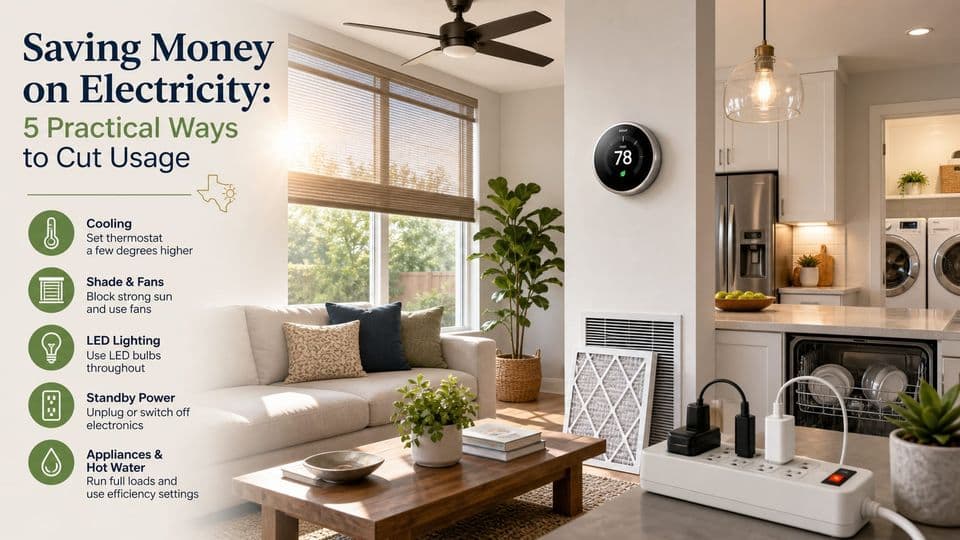
Key Takeaways
- 1Start with the loads that run the longest, especially cooling, water heating, lighting, refrigeration, appliances, and electronics.
- 2Cooling habits matter in Texas, but comfort and safety should come before small electricity savings during extreme heat.
- 3Lighting and standby electronics are easier to control when efficient bulbs, power strips, and usage monitors are used in the right places.
- 4Dishwasher, laundry, dryer, refrigerator, and hot-water habits can reduce waste when they follow practical appliance guidance.
- 5Upgrades should start with low-cost fixes or replacements that were already needed, not expensive purchases made only on a vague promise of savings.
Most Texas households can lower monthly electricity costs by changing how and when they use the biggest energy draws at home. Cooling, water heating, lighting, refrigeration, appliances, and electronics usually account for the largest portion of a home energy bill. Small habit changes in those areas often matter more than chasing a new plan or a slightly lower rate.
Start With the Loads That Run the Longest
The most effective way to reduce electricity usage is to focus on equipment that runs daily, runs for long periods, or cycles in the background. According to the U.S. Energy Information Administration, space heating and air conditioning are major home energy uses. Water heating, lighting, refrigeration, appliances, and electronics are also useful categories to review for electricity-saving opportunities.
Which systems deserve your first look
Walk through the home and notice what runs without you thinking about it. Central air conditioning and electric heating systems usually use the most electricity over a year. Water heaters run several times a day in many homes. Refrigerators and freezers run around the clock. Lighting fixtures that stay on for hours each evening add up. Electronics that stay plugged in draw power even when they look turned off.
You do not need a complicated audit to spot these loads. Open the last few electric bills and look at the kilowatt-hour (kWh) usage line rather than just the dollar amount. Higher usage months usually point to cooling, heating, or a change in daily routines. Once you know which systems run the most, you can decide which habits or maintenance steps will help the most.
Make Cooling Work Less in Texas Heat
Cooling is often the largest single reason summer electric bills rise in Texas. The U.S. Department of Energy recommends several practical cooling habits: use window coverings to block heat, operate the thermostat efficiently, use fans in occupied rooms, maintain the cooling system, keep airflow clear, run full appliance loads to avoid extra heat, and address air leaks.
Thermostat changes that do not trade away safety
A programmable or smart thermostat can help you avoid cooling an empty home at the same temperature you use when people are there. The key is to keep indoor temperatures safe and comfortable, especially for children, older adults, and anyone with health risks. Small adjustments matter more than extreme ones.
During extreme Texas heat, avoid setting the thermostat to unsafe low temperatures in an attempt to cool the home faster. The system does not cool faster at very low settings, and the extra strain can increase electricity use without improving comfort.
AC airflow and maintenance checks before peak heat
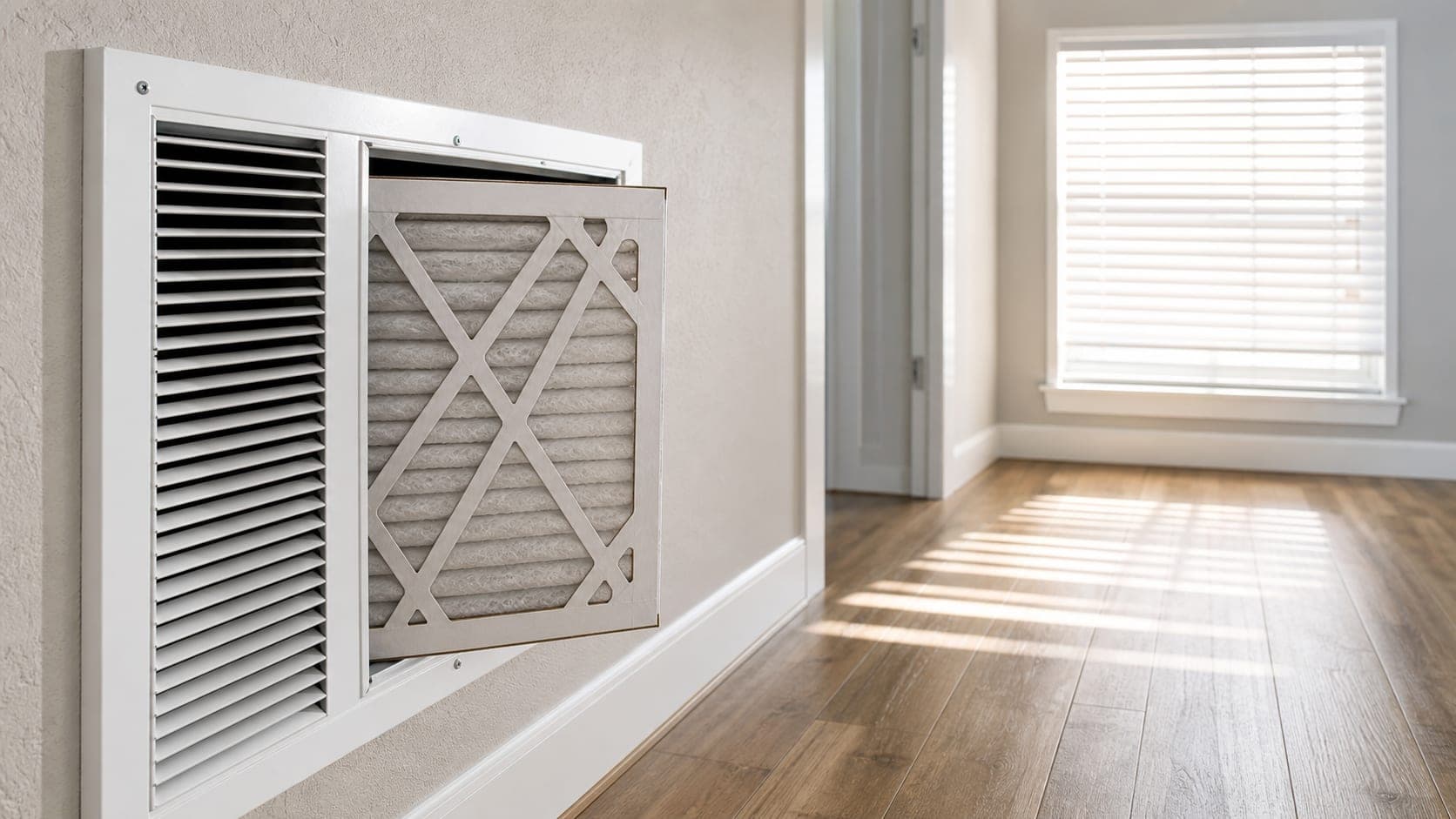
Cooling equipment works harder when airflow is restricted. Check and replace HVAC filters regularly, especially during high-use months. Make sure return vents and supply vents are not blocked by furniture, rugs, or curtains. Clear debris from around outdoor condenser units so air can move freely.
These steps do not require special tools. They reduce the chance that the system will run longer cycles than necessary. If the system is older or showing signs of trouble, schedule maintenance before the hottest months rather than waiting for a breakdown.
Use Fans and Shade Without Wasting Power
Ceiling fans and portable fans can help you feel cooler, but they do not lower the room temperature. They cool people, not spaces. That means fans are useful when you are in the room and less useful when the room is empty.
Turn fans off when the room is empty
A common mistake is leaving ceiling fans running in empty rooms. The fan motor still uses electricity, and the moving air does not lower the actual temperature. Use fans while you are in the room, then turn them off when you leave. If the home has multiple ceiling fans, focus on the rooms where people spend the most time.
Shade and window coverings also help reduce cooling needs. Close blinds or curtains during the hottest part of the day, especially on west-facing windows. This reduces the amount of heat entering the home and helps the cooling system run less often.
Seal Leaks and Insulate the Rooms That Feel Worst
Air leaks and weak insulation can make cooling and heating equipment work harder than necessary. The U.S. Department of Energy and ENERGY STAR recommend air sealing as a first step before taking on larger insulation projects.
Air sealing before bigger insulation projects
Start with the places where air moves in and out most easily. Check around doors and windows for drafts. Look at attic access points, electrical outlets on exterior walls, and gaps where ducts pass through walls or ceilings. In many Texas homes, attic insulation and duct leaks are worth a closer look if certain rooms stay hot even when the system is running.
Air sealing does not require a full renovation. Weatherstripping for doors, caulk for small gaps, and foam sealant for larger gaps can make a noticeable difference in comfort. If the home has comfort problems that persist after basic sealing, a professional energy assessment can help identify next steps.
Replace High-Use Lighting Before Low-Use Bulbs
Efficient lighting is a practical way to reduce electricity use, especially in fixtures that stay on for long periods. According to the U.S. Department of Energy, efficient lighting options can save electricity and last longer than older bulb types.
Start with rooms and fixtures that stay on daily
Focus first on the fixtures you use every day. Living rooms, kitchens, bathrooms, and outdoor porch lights are good candidates. If a fixture is on for only a few minutes a day, the savings from an efficient bulb will take longer to matter.
LED bulbs use less electricity than incandescent bulbs and produce less heat, which can help slightly with cooling loads in warm months. When replacing bulbs, check the fixture compatibility and choose the brightness and color temperature that work best for the room. There is no need to replace every bulb in the house in one day. Start with the highest-use fixtures and continue as bulbs burn out.
Control Standby Power From Electronics and Chargers
Many appliances and electronics draw standby or phantom power even when they appear turned off. The U.S. Department of Energy notes that a usage monitor or switched power strip can help identify or reduce these loads.
Power strips, usage monitors, and devices to leave alone
Entertainment centers, home office setups, and chargers are common sources of standby power. A switched power strip lets you turn off multiple devices at once when you are not using them. A usage monitor can show you which devices draw power continuously so you can decide what to unplug or switch off.
Some devices should stay plugged in. Refrigerators, medical devices, security systems, and network equipment needed for work should remain powered. The goal is not to unplug everything in the house. It is to reduce waste from devices that do not need to stay powered around the clock.
Run Dishwashers and Kitchen Loads More Efficiently
Dishwashers can use less water and energy when you run them efficiently. ENERGY STAR recommends running full loads, using energy-saving cycles where available, using soil sensors when the dishwasher has them, and turning off heated dry when the setting and household routine allow.
Avoid pre-rinsing dishes under running water before loading the dishwasher. Most modern dishwashers are designed to handle food residue, and pre-rinsing adds hot water use without improving cleaning results. If the dishwasher has an air-dry or eco setting, use it when that fits your schedule and dishwashing needs.
Wash Clothes and Dry Laundry With Less Electricity
Laundry equipment can use a significant amount of electricity, especially if loads are small, hot, or dried on high heat. ENERGY STAR provides practical guidance for both washers and dryers.
Cold water, high spin, sensor dry, and clean lint filters
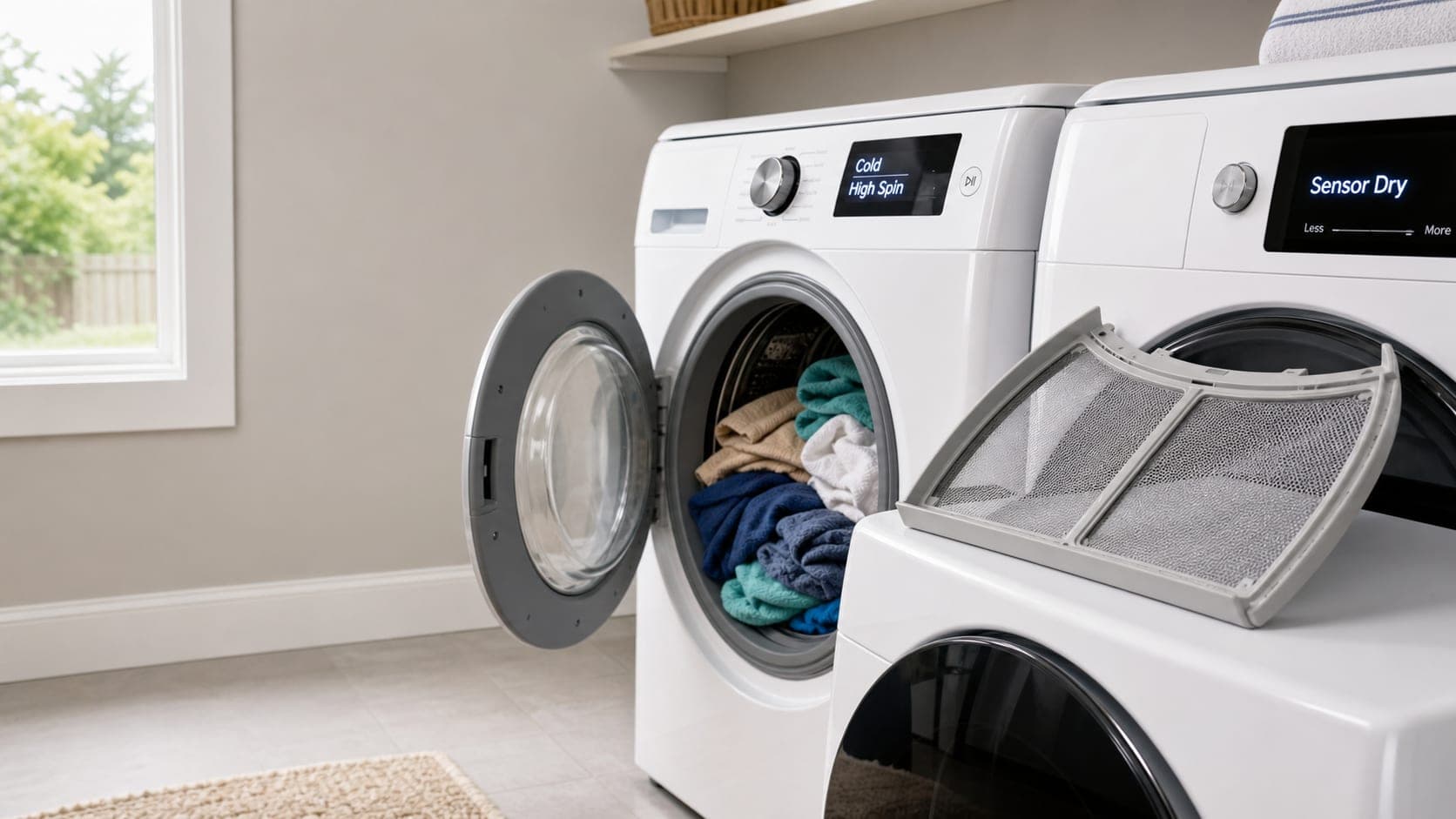
Wash full loads when possible. Cold water washing can reduce hot water demand when fabric care, soil level, and hygiene needs allow it. Using a high spin speed can remove more water before drying, which may reduce dryer time.
In the dryer, sensor dry settings help avoid over-drying clothes. Lower heat settings can work well for many fabrics and may reduce electricity use. Clean the lint filter before every load to improve airflow and reduce fire risk. A clogged lint filter makes the dryer work harder and run longer.
Cut Hot-Water Waste Without Creating Safety Problems
Water heating can be a significant electricity user in homes with electric water heaters, but equipment and fuel types vary. The U.S. Department of Energy recommends conserving hot water as a practical way to reduce waste.
Showers, faucet habits, and water-heater settings
Shorter showers and avoiding letting the faucet run unnecessarily can reduce hot water demand. If the home has an electric water heater, small changes in hot water use can affect electricity use. Be cautious about adjusting water heater temperature settings. Very low settings can allow bacterial growth, and very high settings increase scald risk. Follow manufacturer guidance and consider consulting a professional before making changes.
Homes in Texas may have electric, gas, or tankless water heaters, so the exact impact on the electric bill depends on the equipment. The habit changes still matter because hot water conservation reduces the work the water heater must do, regardless of fuel type.
Keep Refrigerators and Freezers From Working Too Hard
Refrigerators and freezers run continuously and are among the most consistent electricity users in most homes. ENERGY STAR and the U.S. Energy Information Administration note that efficient operation and replacement considerations for older units can affect electricity use.
Check door seals by closing a piece of paper in the door. If the paper slides out easily, the seal may need cleaning or replacement. Keep the area around the refrigerator clear so air can circulate around the condenser coils if the model has coils on the back or underneath. Avoid opening the door more often than necessary, and let hot food cool slightly before placing it in the refrigerator.
If the refrigerator is old, noisy, or not keeping food at safe temperatures, replacement may be worth considering. Newer models with ENERGY STAR certification are generally more efficient than older units, but replacement should be based on actual need rather than a vague promise of savings.
Choose Upgrades When the Equipment Is Already Ready
Upgrades can help reduce electricity use, but they should be timed to real needs rather than purchased solely for savings promises. The U.S. Department of Energy suggests considering efficient appliances and electronics when equipment is failing, inefficient, heavily used, or already due for replacement.
Start with low-cost or already-needed improvements. Replace high-use lighting with efficient bulbs. Seal air leaks that cause comfort problems. If a refrigerator, dishwasher, or washing machine is already failing, look for efficient models that fit your household needs and budget. Smart thermostats can help some households manage cooling and heating more effectively, but they work best when paired with good habits and equipment that is already in good condition.
Avoid trusting generic payback claims or savings percentages that do not account for your home, your usage, and your equipment. The most reliable upgrades are the ones that solve a problem you already have.
Build a 30-Day Electricity Savings Plan
You do not need to change every habit at once. A simple plan can help you test what works in your home and keep the changes manageable.
Pick one cooling, lighting, appliance, and maintenance change
Choose one cooling habit to focus on this week. That might be adjusting the thermostat when no one is home, closing curtains during the hottest hours, or replacing the HVAC filter. Choose one lighting or standby-power habit, such as replacing a high-use bulb or using a switched power strip in the entertainment center. Pick one appliance habit, such as running full dishwasher and laundry loads or using sensor dry in the dryer. Finally, choose one maintenance or sealing check, such as cleaning the dryer lint filter, checking a door seal, or adding weatherstripping to a drafty door.
After a month, look at the usage line on your electric bill to see how your kWh consumption changed. Remember that weather, guests, and changes in routine also affect usage, so treat the bill as feedback rather than a perfect measurement. If one change was easy to keep, add another. If a change did not fit your household, adjust it or try a different approach.
Electricity savings FAQs
Editorial standards
SlashPlan publishes independent guidance to help Texans compare electricity plans. Our editorial team reviews each article without advertiser influence. See our editorial guidelines and monetization disclosure.
About the author
Roi CahanaEnergy advisor helping Texans better understand their electricity options and make more confident decisions. Focused on simplifying electricity plans, explaining confusing terms, and sharing practical guidance to help readers avoid common mistakes when comparing rates, contracts, and renewals.
Ready to compare plans?
Enter your ZIP code to see electricity plans available at your address.