Electricity Help for Seniors in Texas
Texas seniors looking for electricity help should separate discount claims from official assistance programs, local provider rules, and weatherization services.
Key Takeaways
- 1Electricity help for seniors in Texas is usually program-based or local, not one automatic statewide senior discount.
- 2CEAP can help low-income households with immediate energy needs and energy education through LIHEAP-funded assistance.
- 3Weatherization assistance focuses on making eligible homes more energy efficient, not paying a bill directly.
- 4Help for Texans points residents to local organizations by city or county, and those providers may have limited funds.
- 5Application steps, documents, and local availability can vary, so seniors and caregivers should check with the listed local provider.
- 6Check written terms before relying on senior discount, no-deposit, or savings claims.
Finding reliable electricity help for seniors in Texas requires looking past marketing slogans and focusing on how state and local programs actually work. Many older adults and their families search for "senior discounts," but the official support structure in Texas is based on income, household status, and local availability rather than age alone.
The Texas Department of Housing and Community Affairs (TDHCA) administers several programs that provide energy assistance and weatherization services. These programs are funded through federal and state sources and are delivered by local organizations that cover all 254 counties.
Understanding the difference between a bill payment grant, a weatherization upgrade, and a retail electric provider promotion is the first step toward getting real help.
What electricity help for seniors means in Texas
When people talk about electricity help for seniors, they might be referring to several different things. Some are looking for a discount on their monthly bill from their retail electric provider. Others need help paying a high bill because of a medical emergency or a broken air conditioner. Still others want to make their home more efficient so their bills stay manageable year-round.
In Texas, these needs are usually met through different official channels. The state does not offer a single, automatic "senior discount" on electricity bills for every resident over a certain age. Instead, the official sources support program-based help through the Comprehensive Energy Assistance Program (CEAP), weatherization services, and local community organizations.
Discounts, assistance, and weatherization are different
It is helpful to separate these three ideas:
- Discounts or Promotions: These are offered by private companies. They may have specific age requirements, but they are not guaranteed by the state.
- Utility Assistance: This is money or a credit to help pay an electric bill. This is usually handled through CEAP.
- Weatherization: This involves physical work on a home to make it use less energy. This is handled through the Weatherization Assistance Program (WAP).
Age alone is not always the deciding factor
Many official programs use income limits to decide who qualifies. While some local organizations may prioritize older adults or people with disabilities, the application will likely ask for household size and income information. Because these rules can vary by the specific local group providing the funds, it is important to check the current requirements for your city or county.
Is there a statewide senior electricity discount in Texas?
There is no official statewide electricity discount that every senior in Texas automatically receives. If you see a website or an advertisement claiming a "senior citizen discount" or a "state-mandated waiver," you should verify those claims with official sources before making changes to your service.
The official TDHCA sources support program-based assistance paths, such as CEAP and WAP, rather than a single, automatic senior-only statewide electricity discount. While some retail electric providers may offer their own plans or promotions for seniors, those are private business decisions and are not part of the state's low-income energy assistance framework.
CEAP and LIHEAP-funded utility assistance
The Comprehensive Energy Assistance Program (CEAP) is the primary state program designed to assist low-income households with immediate energy needs. It is administered by the Texas Department of Housing and Community Affairs (TDHCA) through a network of local subrecipients.
According to TDHCA, CEAP is designed to help with immediate energy needs and energy education. This means the program focuses on preventing disconnections and helping families manage their energy costs through education, not just one-time payments.
What CEAP is meant to help with
CEAP funds are used to help eligible households pay their heating and cooling bills. The program aims to make energy costs more manageable for low-income families. Because CEAP is administered locally, the specific process for applying may look different depending on which organization serves your county.
How LIHEAP fits into CEAP
CEAP integrates LIHEAP-funded programs. LIHEAP stands for the Low Income Home Energy Assistance Program, which is a federal program that provides funding to states.
In Texas, these federal funds are part of what TDHCA uses to fund CEAP. When you apply for CEAP through your local service provider, you are accessing these LIHEAP-supported funds.
Weatherization help for lower energy use
While CEAP helps with the cost of the bill, the Weatherization Assistance Program (WAP) helps reduce the bill itself by making the home more energy efficient.
TDHCA describes WAP as a program designed to help low-income customers control energy costs through weatherization materials and energy education.
Weatherization is a long-term solution. Instead of sending a check to pay a bill, a crew comes to the home to perform work that helps the house stay warm in the winter and cool in the summer without using as much electricity.
Measures TDHCA lists for eligible homes
TDHCA lists specific activities that may be performed on eligible homes. These can include:
- An energy audit to find where the house is losing energy.
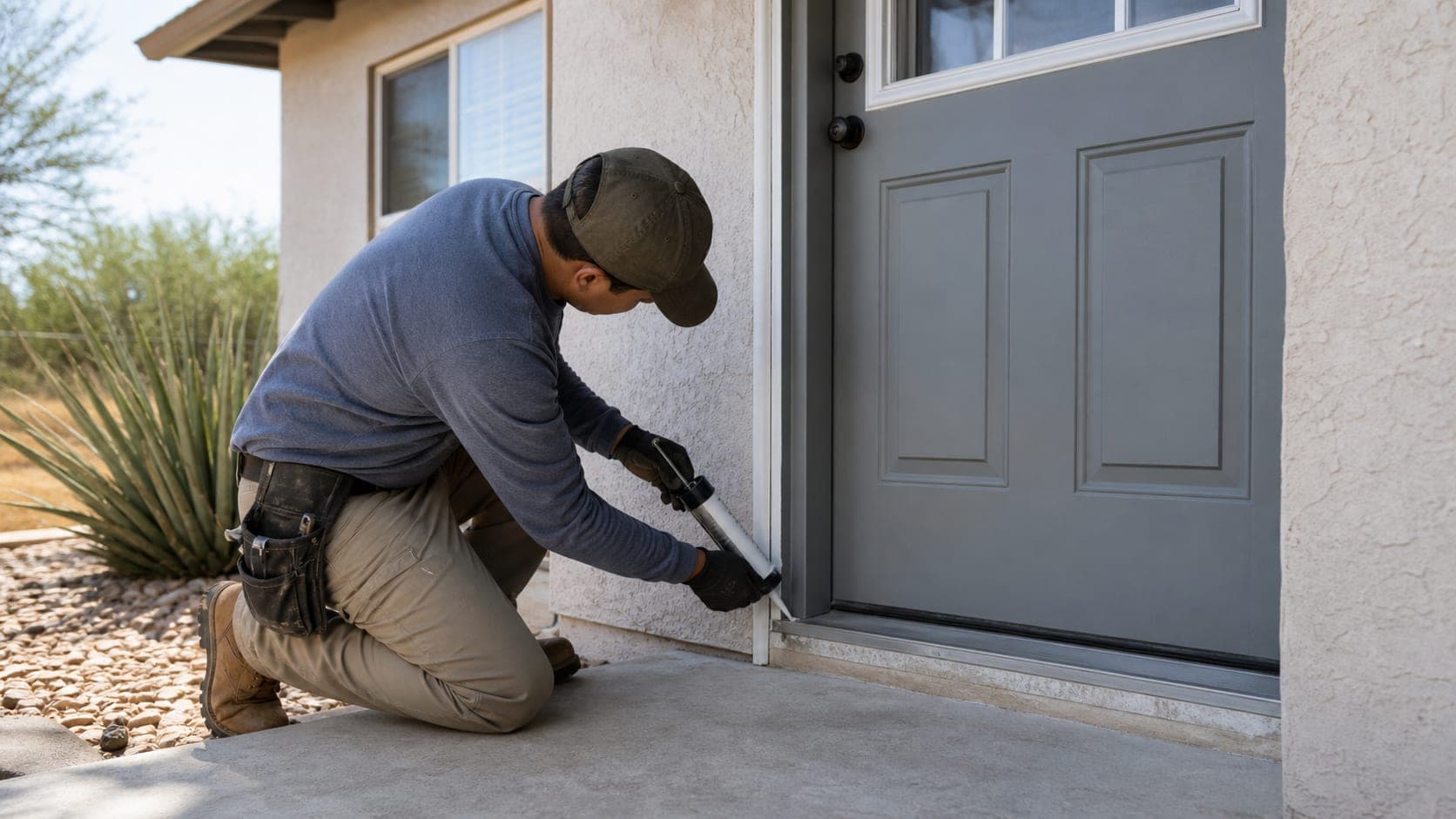
- Caulking and weather-stripping to seal air leaks around windows and doors.
- Adding insulation to walls, attics, or floors.
- Repairing or replacing duct work so air does not escape before it reaches the room.
- Tune-ups, repairs, or the replacement of inefficient heating and cooling systems.
When weatherization is different from bill payment help
It is important to understand that weatherization does not provide a monthly credit on your bill. Instead, it lowers the amount of electricity the home needs to stay comfortable.
For a senior living on a fixed income, this can be a major help, but the results depend on the condition of the home and the local climate. WAP is focused on the building itself, while CEAP is focused on the cost of the power.
Help for Texans and local provider contacts
Because TDHCA administers these programs through local organizations, you usually cannot apply directly to the state department. Instead, you use the "Help for Texans" tool to find the agency that handles applications for your specific city or county.
According to TDHCA, the assistance and funds go to these local provider organizations, not to individuals directly. TDHCA does not accept applications from individuals through the Help for Texans page.
Use city or county to find local organizations
To find help, you can visit the Help for Texans section of the TDHCA website. You will typically select the type of help you need, such as "Utility Bill Payment Help" or "Weatherization", and then enter your city or county.
The tool will then provide the contact information for the local group you need to call.
When a listed provider is at capacity
A very important detail from the official TDHCA sources is that the providers listed on Help for Texans may be at capacity and may not be able to assist everyone who calls. These programs often have limited funding, and they may have to close their intake when the money runs out. If you are referred to a local agency, it is best to call as soon as possible and ask about their current funding status.
Documents and eligibility details to verify locally
Because the local subrecipients handle the applications, they may have slightly different requirements for the documents you need to provide. While TDHCA provides general income guidelines, the local office will tell you exactly what they need to see to process your application.
Income and household status guidance
Most energy assistance programs require proof of income for every member of the household. This might include Social Security statements, pension records, or proof of disability benefits. You may also need to provide a recent electric bill and proof of the people living in the home.
Check with your local provider to see if they require original documents or if copies are acceptable.
Application steps can vary by provider
Some local agencies may require you to apply in person, while others might have an online portal or a mail-in form. Some may require an appointment. Because these steps vary, the most important thing you can do is contact the local organization as soon as you identify them through the Help for Texans tool.
Ask them: "What is the first step to apply, and what papers do I need to bring?"
Municipal utility and city help is local
The information in this article focuses on state-administered programs like CEAP and WAP. However, if you live in a city that has its own electric utility, such as Austin or San Antonio, there may be additional local programs available.
Service territory matters
Electricity help is often tied to the "service territory" of a specific provider. A program offered by a city utility in El Paso will not apply to someone living in the Dallas area. Always start your search by identifying exactly who sends your electric bill and what city or county you live in.
Provider promotions and no-deposit claims to verify
If you are shopping for a new electricity plan and see a "senior discount" or a "no-deposit" offer, you should read the fine print. These offers are not the same as the state assistance programs described earlier. They are marketing tools used by retail electric providers.
Use written terms before relying on a claim
Before you sign up for a plan based on a senior discount, ask the provider for the terms and conditions in writing. Look for:
- The length of the contract.
- Whether the discount applies to the energy charge only or the entire bill.
- Any fees that might cancel out the discount.
- The credit score or deposit requirements.
If a provider tells you that you are "exempt" from a deposit because of your age, make sure that is part of the official contract you sign. Verbal promises are difficult to enforce if there is a dispute later.
Seasonal pressure and timing for assistance requests
Many seniors face the highest risk during the peak of the Texas summer or during unexpected winter storms. Because assistance programs may run out of money, or because they may have specific seasons when they accept applications, timing is important.
If you are struggling to pay a bill, do not wait until the day the bill is due to look for help. Local agencies often need several days or even weeks to process an application. Furthermore, extreme weather can lead to a high volume of calls, which may cause some providers to stop taking new applications temporarily.
Editorial standards
SlashPlan publishes independent guidance to help Texans compare electricity plans. Our editorial team reviews each article without advertiser influence. See our editorial guidelines and monetization disclosure.
About the author
Roi CahanaEnergy advisor helping Texans better understand their electricity options and make more confident decisions. Focused on simplifying electricity plans, explaining confusing terms, and sharing practical guidance to help readers avoid common mistakes when comparing rates, contracts, and renewals.
Ready to compare plans?
Enter your ZIP code to see electricity plans available at your address.