How to Lower Average kWh Usage at Home
A high kWh number is easier to fix when you know which load is driving it. This guide shows how to measure household usage, separate cooling from everyday load, and focus on the fixes most likely to reduce wasted electricity.
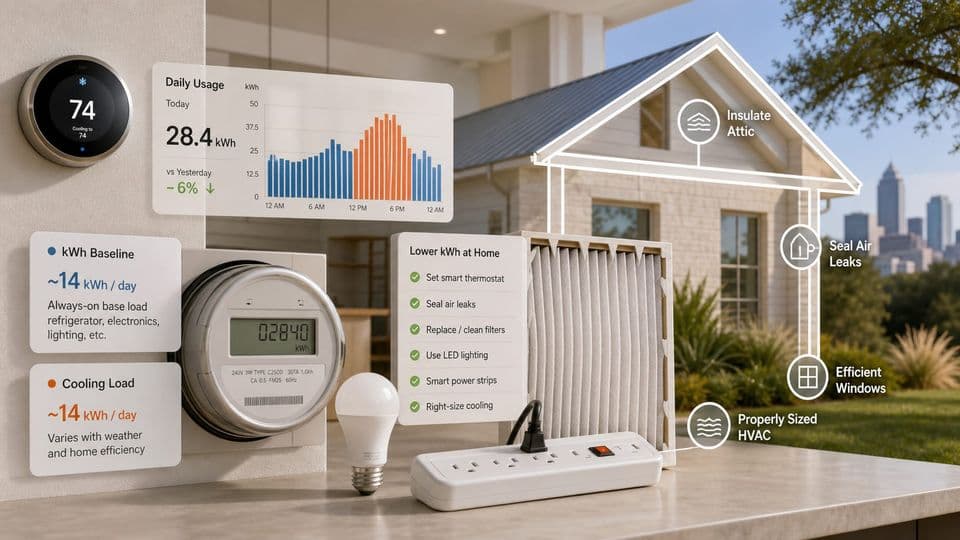
Key Takeaways
- 1Lowering average kWh starts with a baseline from real usage data, not a guess from one bill.
- 2Cooling can raise summer usage, but everyday base load can stay high even when AC use is low.
- 3Standby electronics, water heating, laundry, appliances, lighting, and air leaks are all worth checking before replacing major equipment.
- 4The right first fix depends on which load is actually driving usage.
- 5The best next step is to measure or fix the two largest likely loads, then compare similar usage periods.
A high kWh number is easier to fix once you know what is driving it. One bill can tell you that your home used a lot of electricity, but it does not tell you whether the cause was summer cooling, hot-water use, standby electronics, laundry habits, an extra freezer, air leaks, or a mix of smaller loads running every day.
Start with measurement. Then work through the loads that run the longest, cycle the most often, or waste energy when no one is paying attention. That approach helps you lower your average kWh usage without guessing, buying equipment too early, or blaming the air conditioner for every problem.
A kilowatthour, or kWh, measures electricity use over time. One kWh is one kilowatt used for one hour. If a device uses electricity for a long time, or if a large device cycles often, that use adds up on your bill. The goal is not to chase every tiny load in the house. The goal is to find the few habits, devices, or home conditions that are keeping your average higher than it needs to be.
Start with a real kWh baseline
Before changing settings or unplugging devices, build a baseline from real usage data. Use several months of kWh totals from your electric bills, utility account history, meter data, or Smart Meter Texas if that applies to your home.
Do not rely on one month by itself. A single hot month can make your home look worse than it normally is. A long billing cycle can inflate the number because it covers more days. A vacation month can make usage look low in a way that will not repeat. Several months give you a better view of your normal pattern.
Your baseline should answer three questions:
- How many kWh does the home use in a typical month?
- How much does usage rise in very hot or very cold weather?
- What does the home use during mild weather when heating and cooling run less?
That last question is especially useful. Mild-month usage can reveal the everyday base load: electronics, refrigeration, water heating, pumps, dehumidifiers, lighting, and appliance routines that continue even when the AC is not doing much.
How to turn monthly kWh into a daily average
To calculate a monthly average, add the monthly kWh totals and divide by the number of months.
For example, if you have six months of bills, add the six kWh totals and divide by six. That gives you your average monthly kWh for that period.
To calculate a daily average, divide the kWh used during a period by the number of days in that period. If a bill covers 32 days, divide that bill's kWh by 32. If your meter portal shows usage for a seven-day span, divide that kWh total by seven.
Daily averages are helpful because billing periods are not always the same length. A 34-day bill will usually look higher than a 28-day bill, even if your habits did not change. Daily kWh lets you compare periods more fairly.
Keep your baseline simple. You do not need a spreadsheet with dozens of columns. A short list with month, total kWh, number of days, and daily average is enough to show whether your home's usage is moving in the right direction.
Separate summer cooling from everyday load
In Texas, cooling can be a major driver of electricity use, but it is not the only possible cause of high kWh usage. The practical move is to separate weather-driven load from the electricity your home uses every day.
Compare hot months with milder months. If your usage jumps during the hottest periods and drops during mild weather, cooling is likely a major part of the difference. If usage stays high even when the weather is mild, look beyond the thermostat.
High mild-month usage can point to:
- Standby electronics and always-on devices.
- Electric water heating or heavy hot-water habits.
- Extra refrigerators or freezers.
- Pool pumps, well pumps, sump pumps, or dehumidifiers.
- Laundry, dishwashing, and appliance routines.
- Air leaks, insulation gaps, or HVAC issues that keep equipment running longer than expected.
The comparison does not need to be perfect. Weather, occupancy, guests, work-from-home schedules, and appliance changes can all shift usage. Still, matching hot periods against hot periods and mild periods against mild periods gives you a better signal than comparing random bills.
If your summer bill is the outlier, focus first on HVAC runtime, thermostat scheduling, airflow, filter condition, and maintenance. If every month looks high, focus first on base load: the devices and habits that quietly use electricity all year.
Tune thermostat habits without guessing
Thermostat changes can affect HVAC runtime, but there is no single setting that fits every home. Comfort, health needs, humidity, insulation, equipment condition, sun exposure, and household schedules all matter.
A better approach is to use a schedule and make gradual changes. If the home is empty for part of the day, a schedule can reduce unnecessary runtime. If everyone is home, smaller adjustments may be more realistic. Extreme setpoints can backfire if they make the house uncomfortable or cause people to override the schedule constantly.
Thermostat habits work best when the system can move air properly. A clogged filter, blocked return, closed-off airflow path, or neglected AC unit can make the system work harder than it should. Filter condition and air conditioner maintenance both affect how well the equipment operates, so treat them as part of the same kWh problem rather than separate chores.
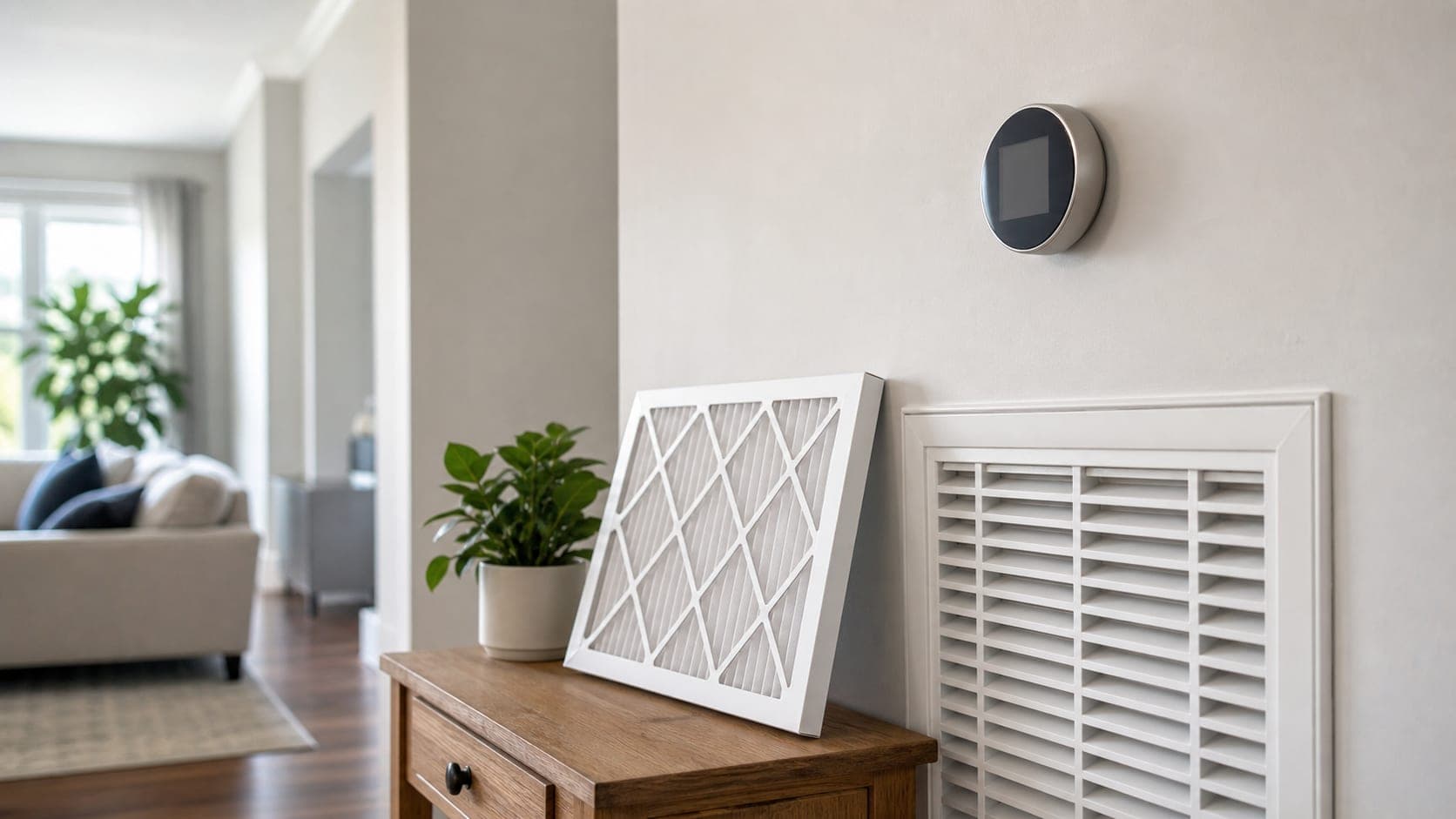
Start with these practical checks:
- Replace or clean the HVAC filter on the schedule recommended for your system and household conditions.
- Keep return vents and supply vents clear of furniture, rugs, and storage.
- Use thermostat schedules that match when people are actually home.
- Avoid large, frequent manual swings that make the system chase comfort all day.
- Watch whether humidity or comfort problems appear after a setting change.
After you make a thermostat change, compare similar weather periods. A mild week after a hot week will not prove much. A hot week compared with another hot week is more useful. If kWh barely changes after a reasonable schedule adjustment, the issue may be airflow, maintenance, insulation, air leakage, or another load entirely.
Stop standby power from running all day
Standby power is electricity used by devices that are plugged in and ready, even when they look off. It is also called phantom load or vampire power. The draw from one device may be small, but a home with many always-on electronics can carry that load all day.
Common places to look include entertainment centers, game consoles, computers, printers, chargers, kitchen electronics, smart speakers, streaming devices, and convenience devices with clocks, displays, sensors, or remote-start features.
Do not unplug devices you use constantly if that creates frustration. Focus on the equipment that is rarely used but always plugged in. A guest-room TV, old printer, spare charger station, or secondary game console may be a better target than the router or the main living-room setup.
Switched power strips can help where several devices sit together. For example, a TV, soundbar, game console, and media player can be grouped so you can cut power to the extras when they are not needed. For a home office, you may be able to switch off monitors, speakers, a printer, and a dock at the end of the day while leaving essential networking equipment alone.
The size of the improvement depends on how many standby devices you have and how they are used. The important point is that standby power can explain part of a stubborn base load, especially when usage stays high outside heavy cooling season.
Check water heating before blaming appliances
Water heating can affect home energy use, especially when the home uses electricity for hot water. If your kWh stays high during mild weather, hot-water habits deserve a close look before you assume a major appliance is failing.
Start with behavior, because it costs nothing to test. Long showers, frequent small hot-water draws, warm or hot laundry cycles, and repeated dishwasher use can all add to the load. The water heater also has to recover after hot water is used, so several small habits across the day can matter.
Practical ways to reduce wasted hot-water use include:
- Use cold water for laundry when it is suitable for the fabric and cleaning need.
- Avoid running hot water longer than needed at sinks.
- Group dishwasher use into fuller loads when practical.
- Fix obvious hot-water waste, such as a faucet that is left running during tasks.
- Pay attention to guests, schedule changes, or household routines that increase hot-water demand.
Water heater settings and equipment choices require more care. Household needs, safety, appliance requirements, and the type of water heater all matter. If you adjust equipment, do it within the manufacturer's guidance and with safety in mind.
If your home does not use electricity for water heating, hot-water habits may still affect some appliance behavior, but they are less likely to be the main reason for high electric kWh. That is why identifying the equipment in your home matters before drawing conclusions from the bill.
Run laundry and dishes with less wasted energy
Laundry and dishwashing can affect electricity and hot-water use. The best settings depend on what you are cleaning, but many households can cut waste without replacing equipment.
For laundry, cold water is a good first setting to test when it fits the load, fabric, and soil level. Some loads need warmer water, but not every load does. Full loads can also help, as long as the machine is not overloaded. An overloaded washer may clean poorly, and an overloaded dryer may take longer to dry.
Drying deserves special attention because it can run for a long time. Clean the lint screen, keep the vent path clear, and avoid running extra cycles out of habit. If clothes are still damp after a normal cycle, the issue may be load size, fabric mix, sensor behavior, or airflow.
For dishwashers, avoid running partial loads when waiting is practical and sanitary. Use the cycle that fits the soil level rather than choosing the heaviest cycle automatically. If your dishwasher has a heat-dry option, review whether you need it for every load. Some households can skip heat dry at least part of the time, while others may prefer it for schedule or moisture reasons.
Renters can still make useful changes here. You may not control the appliance model, but you can control load size, cycle choice, hot-water habits, lint-screen cleaning, and whether a machine runs twice because the first cycle was poorly matched to the load.
Keep refrigerators, dryers, and cooking equipment efficient
Not every appliance problem calls for a replacement. Maintenance, placement, and habits can keep common equipment from using more electricity than needed.
Refrigerators and freezers run around the clock, so small problems can show up in your base load. Check door seals, make sure doors close fully, and avoid blocking airflow around the appliance. If you have an extra refrigerator or freezer in a garage, laundry room, or storage area, ask whether it is still earning its keep. An old spare unit used for a few items may add year-round load that is easy to overlook.
Dryers need airflow. A clogged lint screen or restricted vent can make drying take longer and can create a safety concern. Clean the lint screen before loads, pay attention to drying time, and address vent restrictions if loads are taking longer than they used to.
Cooking equipment is usually more about habits than one simple rule. Batch cooking, using the right-sized appliance for the job, and avoiding repeated reheating can help reduce wasted use in some homes. Keep the advice practical: the best cooking choice depends on the meal, the appliance, and the household schedule.
ENERGY STAR equipment can be worth considering when an appliance is already due for replacement, but do not treat "buy new appliances" as the first step. A working appliance with a simple maintenance issue may not need to be replaced. Measure, inspect, and fix obvious waste first.
Switch lighting to lower-use choices
Efficient lighting can reduce electricity used for lighting. LEDs are the main practical option for most homes, and ENERGY STAR lighting can be part of a replacement plan when bulbs or fixtures are already being changed.
The total effect on your home depends on how much lighting contributes to your overall usage. A home with many long-running bulbs can see a clearer difference than a home where lights are already efficient or used briefly. That is why the best first bulbs to replace are not always the easiest ones to reach. Focus on the fixtures that run the longest.
Good candidates include:
- Kitchen and living-area lights used for several hours.
- Outdoor lights that run at night.
- Bathroom vanity lights used often.
- Home office lighting.
- Garage, laundry, or hallway lights that tend to be left on.
Lighting controls can help when they match real behavior. Timers, dimmers, motion sensors, and task lighting can reduce waste in the right rooms. A timer on an outdoor light may be more useful than replacing a rarely used closet bulb. A small task light may be better than lighting a full room for one activity.
Do not expect lighting alone to solve every high kWh problem. It is a sensible step, especially for high-use fixtures, but it should sit alongside the larger load checks: HVAC, water heating, laundry, refrigeration, standby power, and air leaks.
Seal air leaks and insulation gaps that strain HVAC
If your thermostat settings look reasonable and the HVAC system still runs a lot, the house itself may be part of the problem. Air leaks and weak insulation can make heating or cooling equipment work longer than it should.
In hot weather, cooled air escaping the home and hot air entering the home can add strain. In cold weather, the pattern reverses. Either way, the HVAC system has to keep correcting the indoor temperature. The result can be higher kWh, comfort problems, or rooms that never seem to match the thermostat.
Common areas to check at a basic level include:
- Gaps around doors and windows.
- Attic access points.
- Recessed lights and ceiling penetrations.
- Plumbing and wiring openings.
- Duct areas that are accessible and safe to inspect.
- Rooms that are consistently hotter or colder than nearby rooms.
Stay within safe DIY limits. Attics, electrical openings, moisture issues, combustion equipment, and duct problems can require professional judgment. A simple door sweep or weatherstripping job is very different from sealing around equipment, working near wiring, or diagnosing attic ventilation.
Air sealing and insulation are most useful when leaks or gaps are actually present. Some homes have obvious problems. Others need a more careful assessment to find what matters. If comfort problems and high usage continue after simple checks, this is where a home energy assessment can help prioritize the next move.
Reduce electricity use in the order that matches your home
The fastest path is not the same for every home. A household with high summer spikes should start with cooling runtime, thermostat habits, airflow, and maintenance. A household with high usage in mild weather should start with base load: standby electronics, water heating, refrigeration, pumps, dehumidifiers, laundry, and dishwashing.
Think in groups instead of chasing one universal answer. The largest load in one home may not be the largest load in another. A family with an electric water heater and heavy hot-water use will have a different pattern than a single-person household with many always-on electronics. A well-sealed apartment will behave differently from an older single-family home with attic leaks.
A practical order looks like this:
- Build your baseline from several months of kWh data.
- Compare hot months with mild months.
- Pick the two loads most likely to explain the pattern.
- Make one or two changes you can repeat consistently.
- Compare the next similar period before moving down the list.
This order keeps you from doing random projects that feel productive but do not change the bill. It also protects you from replacing equipment too early. If a low-cost habit change or maintenance issue explains the high usage, find that first.
Verify the change with meter data and an audit
The only way to know whether a change lowered kWh is to check usage after the change. Use bills, account history, smart meter data, an electricity usage monitor, or Smart Meter Texas where available. If you can see daily or interval usage, you may be able to spot changes faster than waiting for a full billing cycle.
Compare similar periods when possible. A hot week should be compared with another hot week. A mild month should be compared with another mild month. If the weather, occupancy, or billing period changed a lot, be careful about giving one fix too much credit.
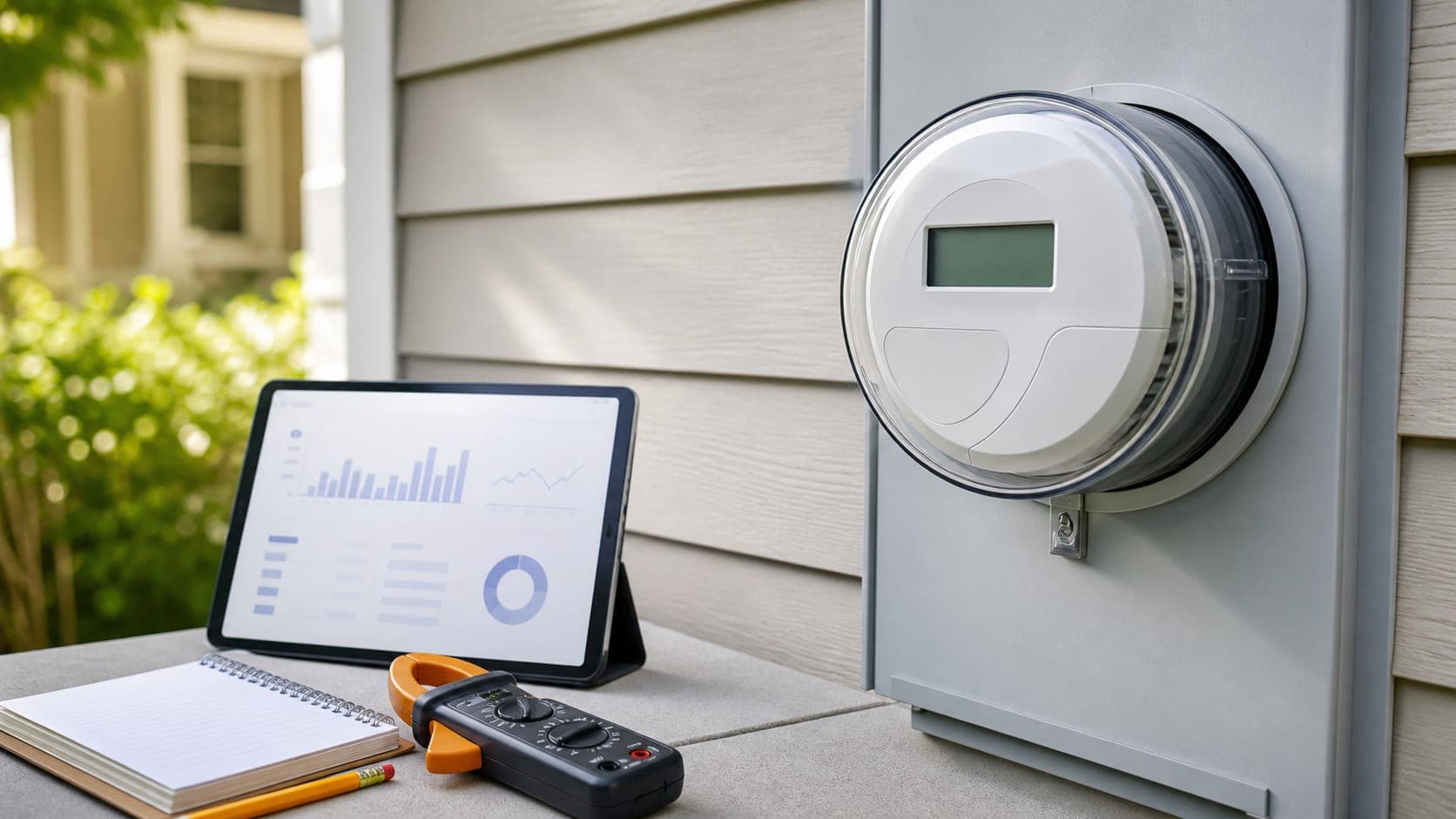
Device-level monitors can help with plug-in electronics and some appliances. They are especially useful when you suspect a device is drawing power all day or using more than expected during normal operation. They will not diagnose everything in the house, but they can turn a vague suspicion into a measured load.
A home energy assessment is worth considering when usage stays high after you check the obvious loads, or when comfort problems suggest air leaks, insulation gaps, or HVAC issues. An assessment can help identify where the home is wasting energy and which fixes should come first.
End the first round with a short action list, not a long wish list. Choose the two most likely drivers of your average kWh usage, measure or fix them, and compare the next similar usage period. If the number moves, keep going in that direction. If it does not, you have ruled out a guess and can move to the next load with better information.
Lower Average kWh FAQs
Editorial standards
SlashPlan publishes independent guidance to help Texans compare electricity plans. Our editorial team reviews each article without advertiser influence. See our editorial guidelines and monetization disclosure.
About the author
Roi CahanaEnergy advisor helping Texans better understand their electricity options and make more confident decisions. Focused on simplifying electricity plans, explaining confusing terms, and sharing practical guidance to help readers avoid common mistakes when comparing rates, contracts, and renewals.
Ready to compare plans?
Enter your ZIP code to see electricity plans available at your address.